May 18, 2026
The Cold Chain Crunch
UK Freezer Warehouses Fighting to Survive the Rising Cost of Keeping Cold

The UK cold chain industry is facing a period of enormous pressure and transformation.
Electricity prices remain volatile. Net zero regulations are tightening. Customers are demanding greener supply chains; operators of refrigerated warehouses, distribution centres, and frozen food storage facilities are discovering that the traditional way of powering cold storage simply may not be sustainable for the next decade.
Cold storage is one of the most energy-intensive forms of warehousing in the UK economy. Unlike conventional logistics sites, freezer warehouses cannot simply reduce electricity consumption during peak price periods. Refrigeration systems must operate continuously, 24 hours a day, every day of the year. That means electricity is mission-critical.
However for many businesses, refrigeration is no longer just an operational necessity - it is becoming one of the single biggest financial risks on the balance sheet.
At the same time, a major opportunity is emerging above their heads. Thousands of wholesale freezer sites and temperature-controlled logistics facilities sit beneath vast flat membrane roofs. Historically, many of these roofs were considered unsuitable for conventional solar due to weight limitations. But lightweight solar technology is changing the equation entirely, unlocking huge energy savings for buildings that were previously excluded from the solar transition.
For the cold chain sector, that could become transformational.
The Cold Chain Industry’s Energy Problem
Cold chain facilities 24hr electricity dependence creates a huge exposure to energy market volatility. They routinely consume several times more electricity per square metre than standard warehouses, some sites can exceed 120–200 kWh/m² annually due to refrigeration loads and intensive operational requirements.
When wholesale electricity prices spike, operators feel the impact immediately. The direction of travel is clear: power is becoming more expensive, more volatile, and more strategically important.
For freezer warehouse operators working on tight margins, that creates a serious long-term challenge.
Net Zero Is No Longer Optional
Alongside rising costs comes another pressure: decarbonisation.
Large retailers, food producers, supermarkets, pharmaceutical companies, and logistics providers are all under mounting pressure to reduce emissions across their supply chains. With the UK Government net zero targets looming, cold storage operators are increasingly being asked difficult questions:
- What is the carbon footprint of your facility?
- How much renewable energy do you use?
- What is your route to net zero?
- Can you support Scope 3 emissions reporting?
For many operators, these requirements are no longer hypothetical future concerns. They are already appearing in tenders, procurement frameworks, and customer audits. Major food retailers and global brands increasingly expect suppliers and logistics partners to demonstrate measurable carbon reduction plans.
Warehouses that fail to modernise risk becoming commercially less attractive. Warehouses that can demonstrate lower-carbon operations may gain a competitive advantage. That creates a significant opportunity for renewable energy adoption across the cold chain sector.

Why Warehouses Are Perfect for Solar
Ironically, the very buildings that consume enormous amounts of electricity are often ideally suited to generating renewable power. Most freezer warehouses and logistics facilities share several characteristics:
- Huge flat roofs
- Large daytime electricity demand
- Long-term site ownership or tenancy
- Consistent operational loads
- Minimal roof shading
These factors make commercial solar exceptionally attractive economically. Unlike residential systems that export excess power back to the grid, cold storage sites can use large amounts of generated electricity immediately to power refrigeration systems. That means every kilowatt generated onsite directly offsets expensive imported electricity.
The economics become extremely compelling.
Some warehouse solar projects are now achieving payback periods as short as 3–5 years, with long-term electricity savings reaching hundreds of thousands or even millions of pounds over the system lifetime.
But historically, there has been a major obstacle - the roof itself.
The Membrane Roof Challenge
Many cold chain and logistics facilities use lightweight membrane roofing systems such as single-ply or EPDM roofs. Traditional solar installations can be too heavy for these structures.
Conventional solar arrays often require ballasted mounting systems that add substantial weight loads to rooftops. In some cases, structural reinforcement becomes necessary, dramatically increasing project cost and complexity.
For years, this prevented many freezer warehouse operators from pursuing rooftop solar altogether. Thousands of suitable buildings effectively became stranded solar assets. That is now changing thanks to lightweight solar technology and specialist engineering solutions.
Why Lightweight Solar Changes Everything
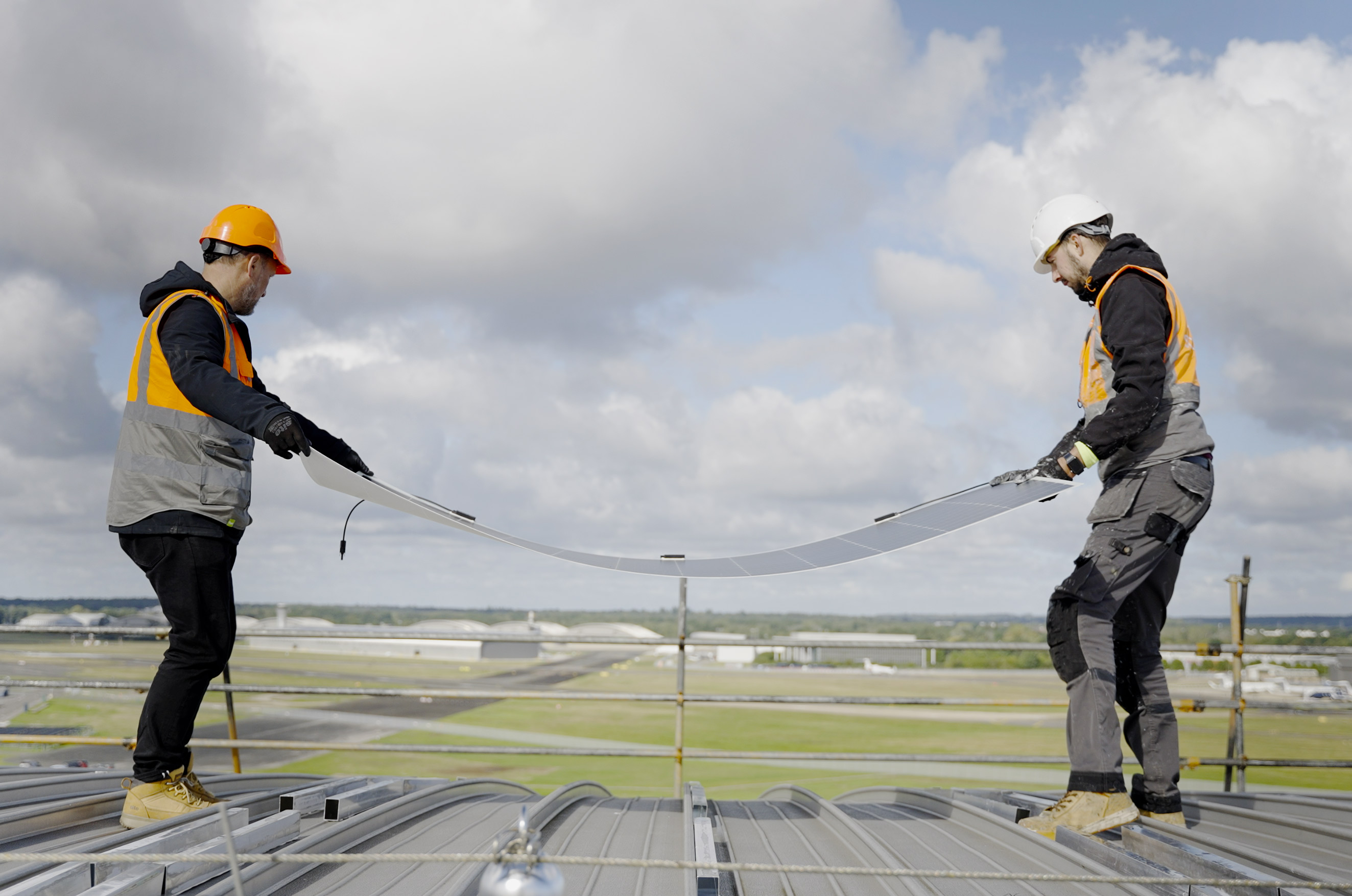
Lightweight solar systems are specifically designed for roofs that cannot support traditional panel installations. Rather than relying on heavy framed panels and ballast systems, lightweight solar uses advanced flexible photovoltaic technology that dramatically reduces roof loading. This opens the door for a huge number of industrial buildings previously considered unsuitable for solar.
For the cold chain sector, this is potentially game-changing.
Suddenly, the vast membrane roofs covering refrigerated distribution centres and freezer warehouses become viable energy-generation assets. That creates an opportunity to reduce operating costs, improve energy resilience, and support net zero targets simultaneously.
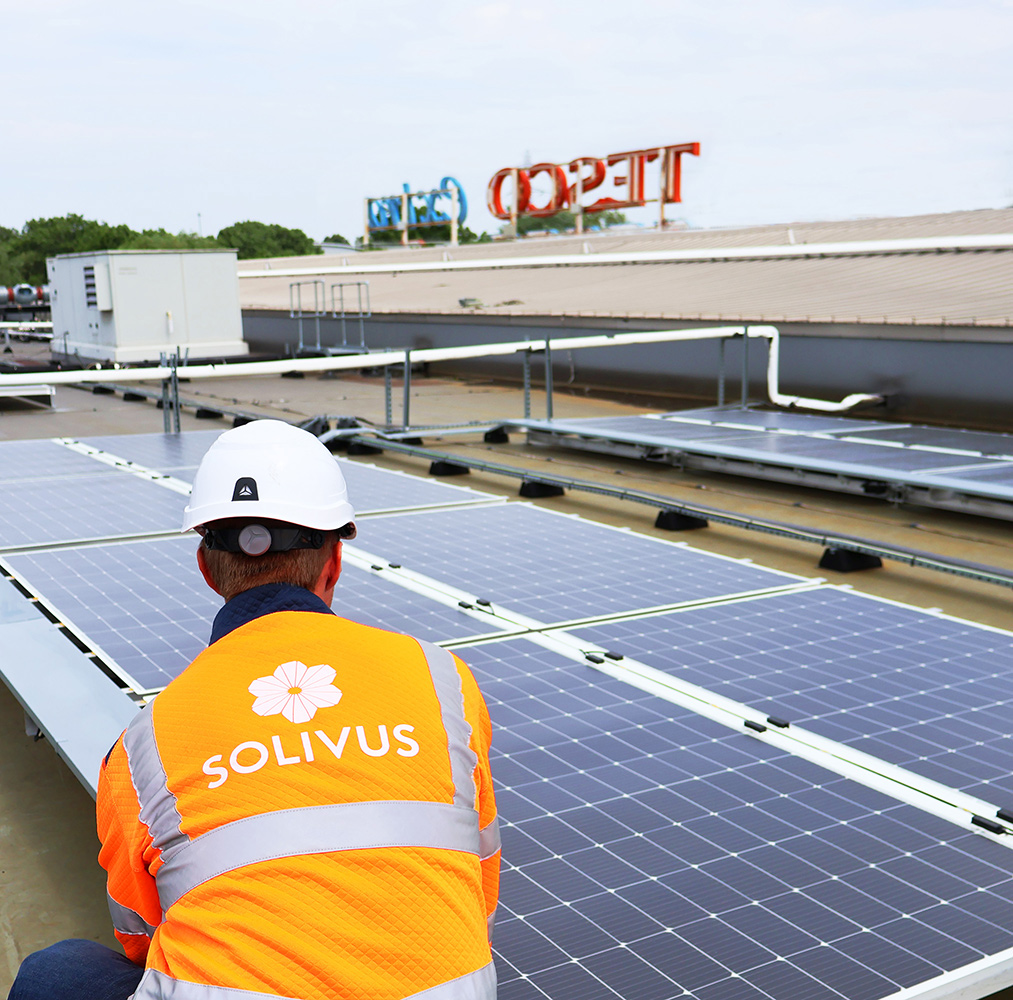
Solivus has already demonstrated successful installations on warehouse facilities where roof weight limitations prevented traditional solar deployment.
One notable example involved Astute Electronics’ warehouse headquarters in Stevenage. That case study highlights an increasingly important reality for the logistics and cold chain industries: Buildings once considered unsuitable for solar may now represent some of the UK’s best commercial solar opportunities.
The Financial Case Is Becoming Impossible to Ignore
According to current UK market analysis, warehouse solar systems can reduce electricity bills by 40–80% depending on system sizing and operational demand. Cold chain sites are particularly well positioned because refrigeration creates high and consistent electricity demand.
That means generated solar power is rarely wasted.
Industry estimates suggest:
- Large warehouse systems can achieve 3–5 year payback periods
- Cold chain facilities often achieve faster returns due to high self-consumption
- Systems can continue generating for 25+ years
- Long-term operational savings can exceed millions of pounds for larger facilities
For operators facing rising energy bills year after year, solar is increasingly viewed not just as a sustainability initiative, but as a hedge against future electricity inflation. That stability matters enormously in an industry exposed to volatile energy markets.
Energy Security Matters More Than Ever
There is another factor driving interest in onsite generation: resilience.
Cold storage operators cannot afford power disruptions. Even short outages can create catastrophic product losses, operational disruption, and reputational damage.
While solar alone is not a full backup solution, it can significantly improve resilience and reduce dependence on the grid. Businesses increasingly want more than simply cost savings, they crave greater control over their own energy production and exposure to external market shocks.
That trend is likely to accelerate.
Sustainability Is Becoming a Commercial Advantage
There is also a reputational dimension. Consumers increasingly expect food supply chains to become greener. Retailers and manufacturers want to demonstrate lower-carbon logistics operations. Investors are scrutinising ESG performance more closely than ever.
For cold chain operators, visible sustainability initiatives can strengthen customer relationships and support commercial positioning.
Solar installations are tangible, measurable, and easy to communicate. A warehouse covered in renewable energy infrastructure sends a clear message about future readiness.
And importantly, it demonstrates action rather than aspiration.
Conclusion: The Cold Chain Industry Is Reaching a Turning Point
The UK cold chain sector is under pressure from every direction.
Electricity prices remain volatile. Net zero expectations are intensifying. Operational costs are rising. Customers are demanding greener supply chains.
Lightweight solar technology is removing one of the biggest barriers to commercial rooftop generation across the logistics and cold chain industries.
We’re proving that even structurally challenging warehouse roofs can support effective solar installations that reduce costs, improve sustainability performance, and help businesses move toward net zero.
For cold storage operators, the question may no longer be whether to invest in rooftop solar.
It may soon become whether they can afford not to.
Related Articles




ACCREDITATIONS




Newsletter
Bring sunshine to your inbox
Join our community for a quarterly dose of positve news from the world of solar.