February 10, 2026
Lightweight Solar Solutions in the U.S.
How Lightweight Solar Can Power New York and Detroit
As Americans face the urgent realities of climate change, rising energy costs, and ageing infrastructure, lightweight solar solutions offer a compelling pathway toward a cleaner, more resilient energy future. Notably, in 2025, climate tech produced the largest number of unicorns out of all tech segments, as cited by Grow London’s analysis of global trends in climate tech. With a global appetite for climate tech evident, lightweight solar innovations are transforming how and where solar power can be deployed, making renewable energy more accessible than ever before.
In this blog, we’ll explore how lightweight solar panels can benefit the U.S. and explore why they hold particular promise for New York and Detroit - two cities with unique energy challenges and opportunities. After all, Solivus energises the roofs other solar can’t reach!
What Are Lightweight Solar Solutions?
Traditional solar panels are rigid, heavy, and often require substantial structural support. In contrast, lightweight solar solutions are:
- Flexible or semi-flexible: Can curve around surfaces.
- Portable: Easy to transport and install.
- Excellent power-to-weight ratio: Higher efficiency per pound - great for installations with load limits. For the same weight, you can produce more power.
- Energises roofs other solar can’t reach: Enabling significant carbon and cost savings for otherwise unusable commercial rooftops.
- Seriously green - Lightweight panels contain no aluminium or glass giving them a lower embedded carbon footprint than conventional panels.

Why the U.S. Needs Lightweight Solar Now
The United States has set ambitious goals for renewable energy adoption. ‘The Trump administration’s more fossil-fuel orientated energy stance is likely to transform what was once a strong policy tailwind into a headwind for climate tech. However, climate tech investment is still proving to be politically agnostic’, states Grow London Global’s Climate Tech Global Trends report of 2025.
Renewable capacity continues to grow: ‘[Renewable energy] has sustained double-digit growth over the past five years, supported by international policy incentives, falling technology costs and well-developed supply chains’, further states Grow London Global’s report.
However, challenges remain:
AgEing Grid and Infrastructure
Much of the U.S. electrical grid was built decades ago. Integrating distributed energy sources, like localised solar installations, improves resilience and reduces strain on central power plants.
Capacity limitations
The current U.S. grid lacks sufficient transmission capacity to move clean energy from remote, resource-rich areas (for example, wind in the Midwest and solar in the Southwest) to high-demand coastal cities.
Policy uncertainty
The political landscape in the U.S. is volatile, with rollbacks of policy combatting climate change as cited in Grow London’s 2025 Climate Tech trends report 2025. ‘The US government significantly reversed its clean energy policy. In January, the Trump administration issued Executive Order 14148, revoking several Biden-era directives on climate, clean vehicles and environmental justice.
Despite this, commercial solar has continued to experience growth in the US. In 2024, commercial and industrial (C&I) solar grew around 18 %, and in 2025 commercial volumes remained strong.
Key states driving growth were California, Illinois, Texas, Massachusetts, New York - thanks to high electricity prices, incentive structures, and strong corporate demand.
Rising electricity demand from AI data centers
As stated by POWER Magazine, rapidly growing electricity consumption from data centers, AI, and electrification (buildings and EV) is creating a supply crunch which cannot be met by renewable energy alone, forcing a re-reliance on fossil fuels.
New York: A State of Opportunity
New York’s energy landscape presents both unique challenges and great potential for lightweight solar for industrial buildings. The Grow London Global Climate Tech report of 2025 names U.S. as a top climate tech hub, ranking within the top 10 for sector maturity and economic scale, sector clustering (to drive innovation forward), and 1st for sector potential growth.
Urban Density and Rooftop Potential
With millions of buildings in New York City and beyond, and around ‘728 million square feet of office space’, mostly in Manhattan, as recorded by NYC.gov, rooftop space is at a premium. Lightweight and flexible solar panels can be installed on buildings that traditional panels might not suit - especially older structures with weak or low load roofs.
“New York City features a dense, evolving landscape of over 1 million, including 146 million square feet of warehouse/logistics space, critical for e-commerce, along with iconic stadiums and international airports”, states The New York Times.
Resilience After Superstorms
New York’s electrical infrastructure has faced repeated stress from hurricanes and ever-increasing exteme weather events. Lightweight solar solutions, especially paired with micro-grids and storage, could help disaster recovery, enabling critical facilities such as schools, hospitals, and transport hubs stay powered during outages.
Bringing Power to Transit and Public Spaces
From bus shelters to waterfront parks, lightweight solar technologies can power lighting, EV charging stations, and informational kiosks without the need for deep electrical retrofits.
Detroit: Revitalisation Through Solar Innovation
Detroit’s unique industrial legacy and ongoing revitalisation make it a perfect testbed for impactful solar deployment.
Repurposing Industrial Space
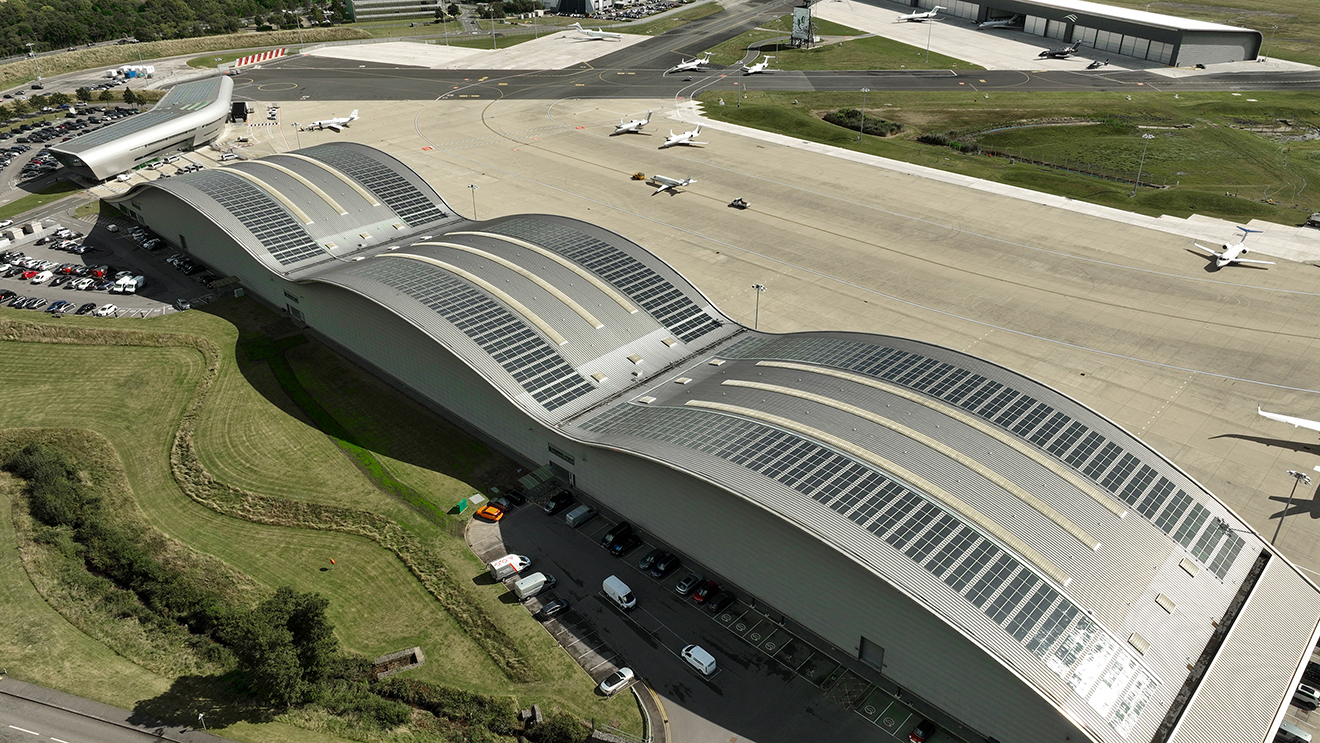
Detroit has many large industrial and commercial rooftops, such as commercial buildings, airports, stadiums, warehouses, logistics buildings, and supermarkets, which are perfect canvases for lightweight solar installations. Because these roofs may have structural limitations, lightweight arrays offer a high-impact solution without costly reinforcement.

Fighting Energy Burden
Communities throughout Detroit face high energy costs relative to income. Community solar projects, using flexible and cost-efficient technologies, can lower energy bills and create local jobs in installation and maintenance.
Supporting Equitable Growth
Solar training programs and local workforce development tied to lightweight solar deployment can offer new economic pathways in neighbourhoods which have historically faced disinvestment. Lightweight solar solutions can be deployed rapidly in underserved areas, community spaces, and on structures which can’t support heavy panels, bringing clean energy to more Americans.
How Lightweight Solar Technologies Drive Broader Impact
Reduced Installation Time and Cost
Lightweight materials are easier to install, reducing labour and time on rooftops, parking structures, transportation systems, and even mobile applications.
Scalable and Modular Deployment
These systems can grow with community needs, from small neighbourhood projects to large commercial or industrial installations.
Enhanced Energy Security
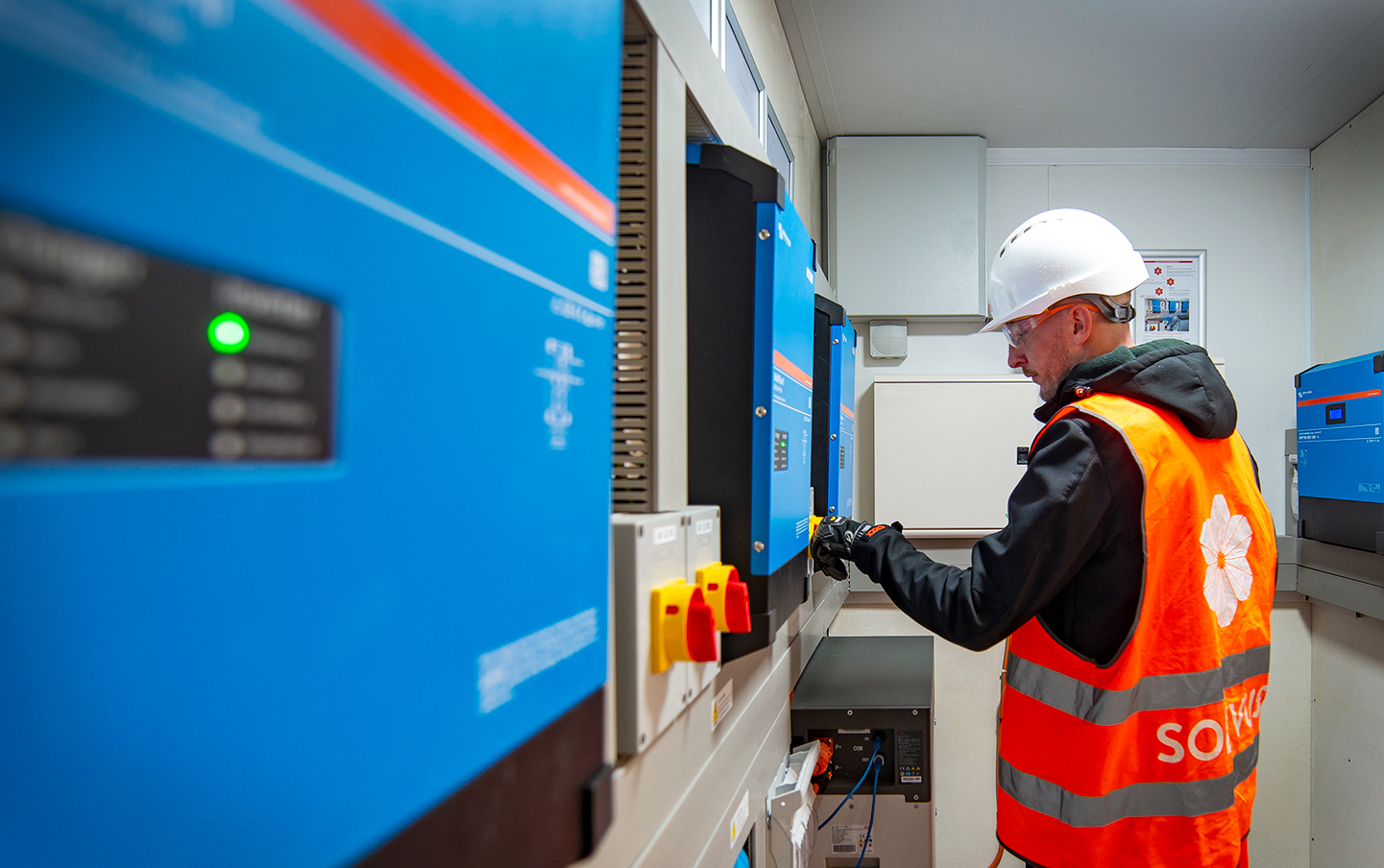
Distributed lightweight solar paired with batteries and smart or micro-grid technologies can ensure communities maintain power independently from centralised outages.
Environmental Benefits
Reduced reliance on fossil fuels, lower greenhouse gas emissions, and support for urban greening initiatives.
Key takeaways: A Bright and Flexible Future
Lightweight solar technologies are more than just an energy innovation; they are a bridge to a more resilient, equitable, and sustainable energy system in the United States. Cities like New York and Detroit offer the tools to reimagine energy production, enhance community and commercial resilience, and unlock economic opportunity.
Whether on urban rooftops, industrial facilities, or community parks, lightweight solar is poised to power a cleaner future, one panel at a time.
Related Articles


ACCREDITATIONS




Newsletter
Bring sunshine to your inbox
Join our community for a quarterly dose of positve news from the world of solar.