February 25, 2026
Lightweight solar - helping THE mining industry ditch the diesel.
Lightweight solar and battery systems hold the key to cleaner more efficient mining towns.
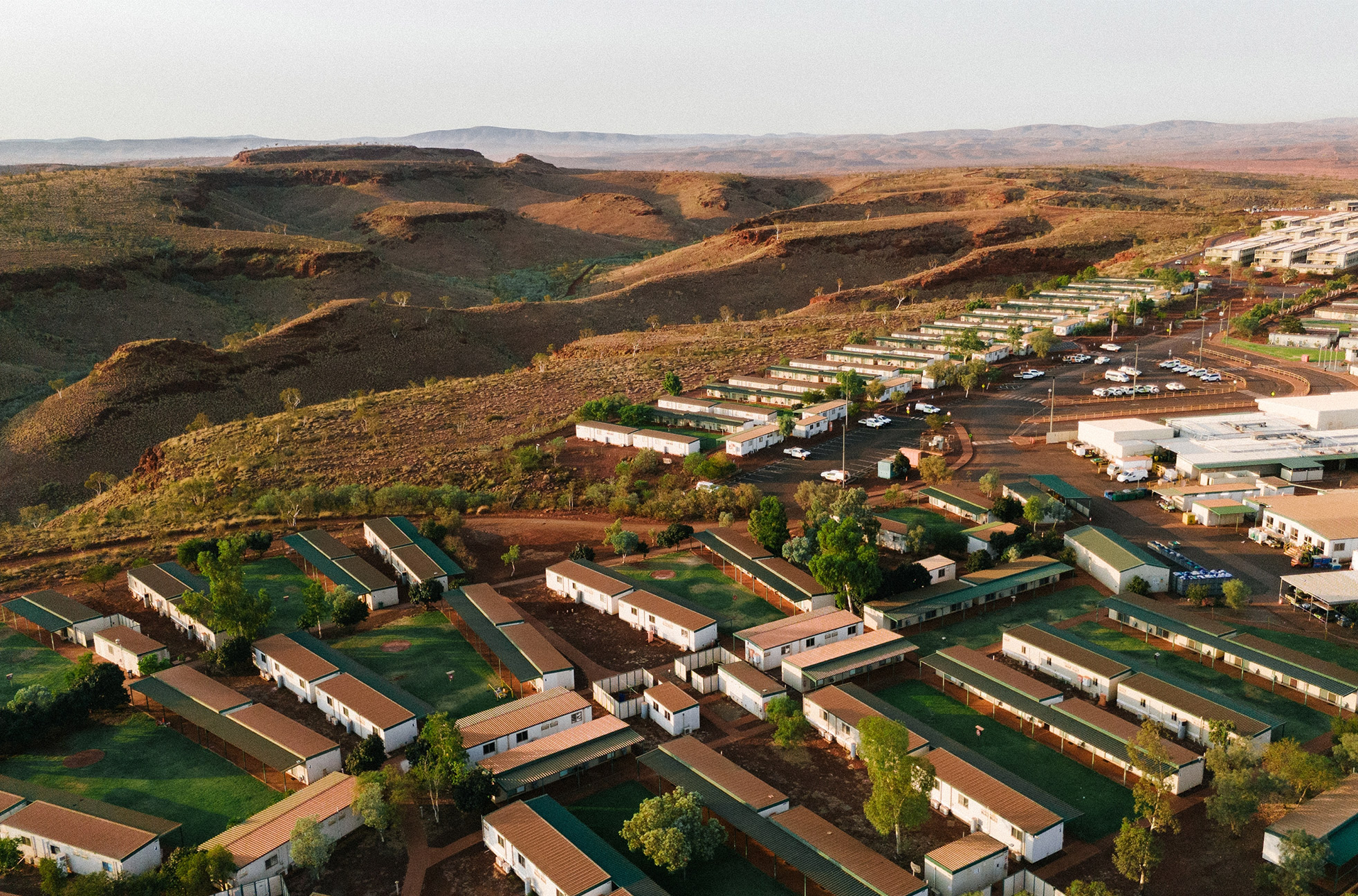
In the energy-intensive world of mining, powering modular buildings, site cabins, and temporary accommodation in mostly off-grid locations often relies heavily on diesel generators. These generators are costly to run, emit greenhouse gases, create noise pollution, are a significant health hazard to workers and can present logistical challenges in remote locations. According to a report by the Australian Renewable Energy Agency, ‘the Australian mining sector uses 10 percent of the country’s energy use, consuming approximately five billion litres of diesel each year.’ But what if the mining industry could drastically reduce, or even eliminate diesel use on site?
Enter Solivus’ lightweight solar and battery systems for modular buildings - a clean, cost-effective solution designed to support mining operations, cut carbon, and transform sustainability outcomes.

Why Solar and Battery Systems for Mining Sites Make Sense
Mining sites operate like small cities. They need reliable energy for offices, workshops, cabins, welfare units, and communications hubs. Traditionally, this energy has come from diesel generators - expensive, carbon-intensive, and dependent on regular fuel deliveries.
But solar energy, combined with efficient battery systems, offers a scalable alternative:
- Reduces dependency on diesel: cutting fuel consumption, transport, and site emissions.
- Lowers operating costs: eliminating expensive generator fuel and maintenance.
- Improves site conditions: reducing noise and improving air quality for workers.
- Accelerates carbon reduction goals: helping mining companies meet ambitious net-zero targets.
These benefits make solar and battery systems for mining not just environmentally desirable, but economically compelling. Solar and battery systems offer a viable solution to aiding the mining industry’s goal of becoming carbon neutral in the next 30 years.
Solivus’ Lightweight Solar and Battery System for Mining: Designed for Real Sites
Unlike conventional solar panels, which can be too heavy or structurally unsuitable for modular buildings, Solivus has developed a lightweight, flexible solar solution combined with advanced battery storage that fits onto cabins, offices, and modular units without costly reinforcements.
Key advantages include:
- Modular installation: Easy integration with existing cabins and off-grid setups.
- Battery storage: Stores energy for cloudy days or nighttime use: ensuring continuous power.
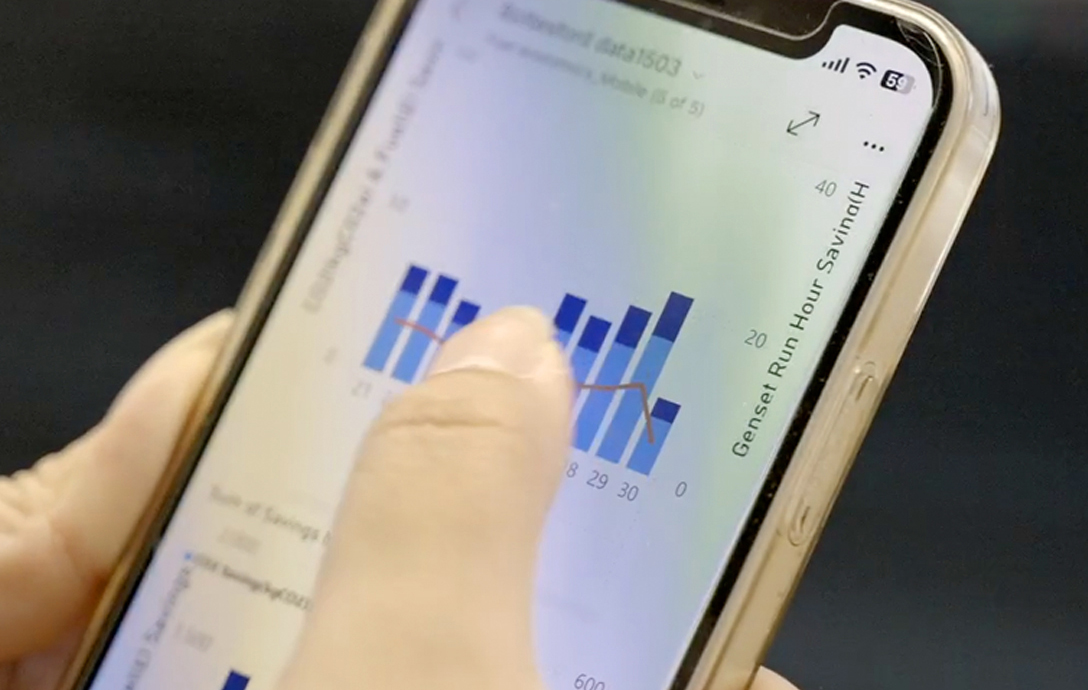
- Remote monitoring: Enables optimisation of solar generation and battery usage on-site.
- Complete service: From design through installation and maintenance, Solivus manages the entire energy system.
This makes the system ideal for mining camps, remote exploration sites, and temporary installations where grid power is unavailable or prohibitively expensive.
“Energy costs for these projects can account for 30% to 40% of total operating expenses (OPEX), particularly when relying on traditional, high-cost solutions like diesel generators. As a result, there is a strong industry trend towards adopting decentralised, on-site, and hybrid power solutions to reduce costs, enhance reliability, and meet environmental goals,” explains the Columbia Climate School.
Real-World Success: Solar and Battery Benefits in Action
Balfour Beatty HS2 Modular Office Compound
At a major UK infrastructure project, Solivus installed a lightweight solar and battery system across 34 modular cabins, generating 133.3 kWp of solar energy. The system is estimated to produce 47,600 kWh annually - enough to power the compound and eliminate the need for an on-site diesel genset.
This installation is predicted to deliver:
- £3.365 million in savings over 25 years
- 490% return on investment (ROI)
- Reliable, low-carbon power to site
By minimising diesel use and integrating advanced battery backup - even alongside hydrogen power - Solivus helped this site slash fuel costs and emissions.

Balfour Beatty Site Cabin Solar System
In another case, Solivus deployed a lightweight solar and battery system on modular site cabins. Over 12 months, the results were impressive:
- 75% annual diesel reduction
- £9,140 in financial savings
- 14,416 kg of CO₂ emissions avoided
- 4,236 generator hours saved
- 6-year payback period with a 174% ROI
This demonstrates how solar and battery systems for modular buildings can dramatically lower energy costs and carbon footprints, which is vital for energy-intensive sectors like mining.

Cost and Emissions: The Mining Industry Stand to Gain
By replacing diesel generators with solar and battery systems:
- Mining operations can unlock significant fuel cost savings
- Reduce reliance on fuel supply chains - especially crucial in remote regions
- Minimise carbon emissions, which contribute to climate change
- Improve worker safety by reducing on-site air and noise pollution
The Clean Energy Paradox: Role vs. Reputation
The mining industry is at a crossroads. With regulatory pressure, volatile diesel prices, and global commitments to net zero, traditional energy sources are increasingly untenable. The sector ‘must increase its production of critical minerals, improve its ESG performance and build trust with stakeholders’, according to industry reports.
Solivus’ lightweight solar and battery systems for modular buildings offer a powerful alternative - cutting costs, eliminating diesel dependence, and driving meaningful carbon reductions. By adopting solar and battery systems for mining sites, companies can not only protect their bottom line but also make a lasting difference to the planet.
Whether it’s powering site offices, cabins, or entire mining compounds, innovative solar and battery technology is no longer a niche - it’s a strategic advantage which future-facing mining companies won’t want to miss.
Related Articles


ACCREDITATIONS




Newsletter
Bring sunshine to your inbox
Join our community for a quarterly dose of positve news from the world of solar.