December 15, 2025
Wrapped: A year in lightweight solar
The Environmental and Financial Imperatives for Lightweight Solar Adoption
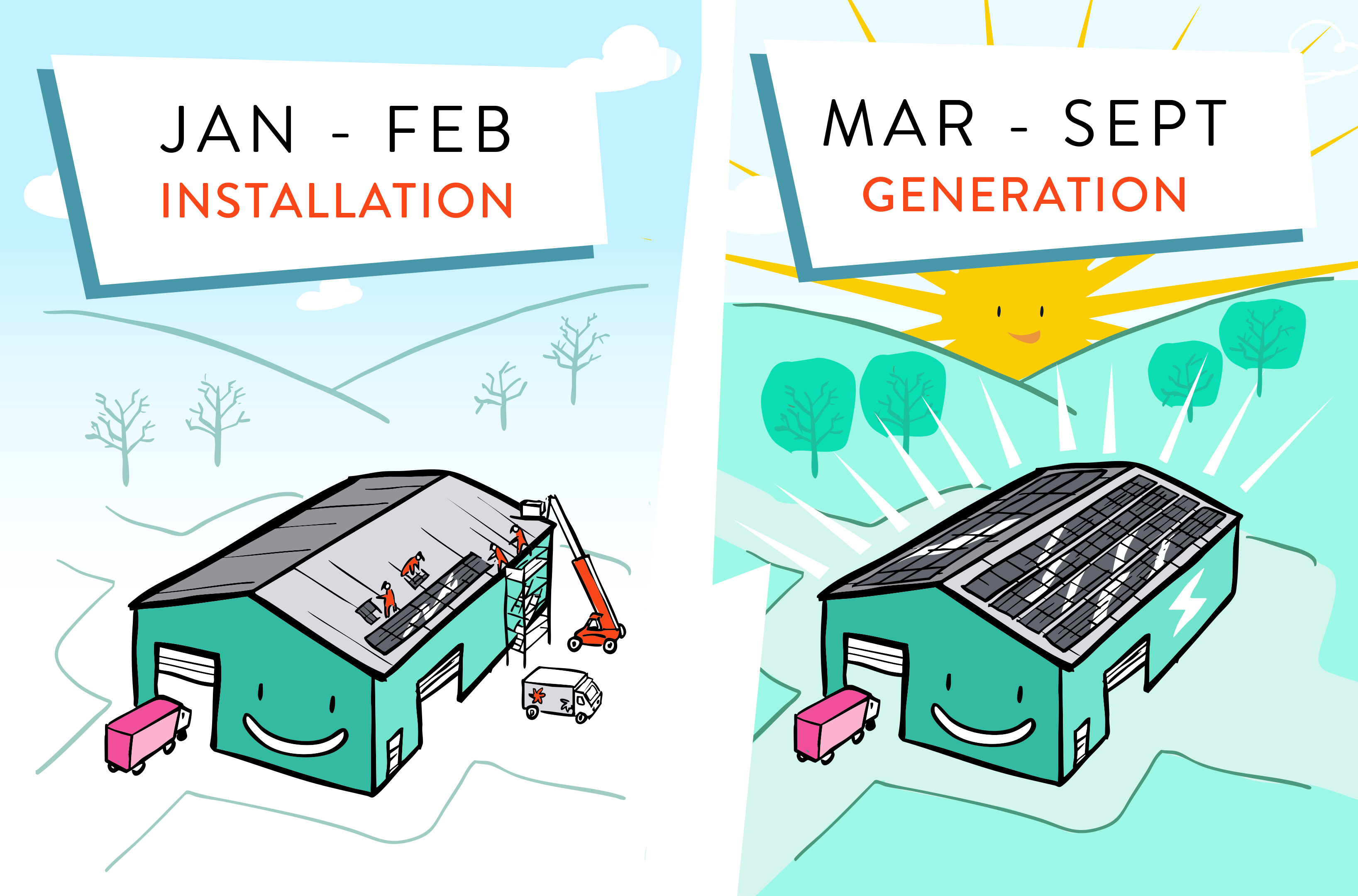
For our Spotify-style 2025 wrapped, we’re taking a look back at a record-breaking year, in terms of generation and installation for solar energy both in the UK and globally. Source. According to global energy think tank, Ember, renewable energy – solar and wind ‘overtook coal as the world’s leading source of electricity in the first half of 2025’ – a landmark first. Source. We consider the commercial benefits of solar installations all year round, not just when the sun is at its hottest and highest.
In today's world, the pressure to reduce carbon emissions and costs and adhere to sustainability frameworks and regulations is more critical than ever for commercial and industrial operators. The adoption of solar energy solutions significantly cuts down greenhouse gas emissions while providing substantial cost savings. By switching to solar power, businesses can contribute to global decarbonisation goals and reduce their operational costs, aligning with both environmental and financial imperatives.
According to Solar Power Europe’s Global Market Outlook for Solar Power 2025-2029 ‘there is no doubt that solar power has become the driving force of the global energy transition’. Source. Adair Turner, Head of the Energy Transition Commission notes: “Solar plus batteries are becoming the cheapest way to produce electricity around the clock.” Source. Now is the perfect time for your business to make hay whilst the sun shines.

Solar energy is a renewable resource which produces zero emissions during operation. By harnessing the sun's power, companies can dramatically lower their carbon footprint. This shift is not just about being environmentally responsible; it also positions businesses as leaders in sustainability, which can enhance brand reputation and attract eco-conscious customers and investors. Different industries may be subject to different regulations or framework suggestions in terms of contributing to Net Zero, such as MEES regulations for warehouses, (coming in to play in 2027 and 2030), the Construction Leadership Council’s Zero Diesel Site Route Map (published in 2023) and the UN Sports for Climate Action framework for stadiums (published in 2018).
Timing Your Solar Installation for Optimal Benefits
While the idea of solar energy might not seem appealing on a grey, gloomy day, the truth is that now is the perfect time to start planning your lightweight solar installation. The process involves detailed designs, procurement, and a 12-week grid application, meaning that starting now could have your system installed and generating by March-April. This timing is ideal as March to November is the prime solar season, where energy generation and cost savings are at their peak.
The best time to install lightweight solar is as soon as possible. Delaying the installation means missing out on months of free energy and financial savings. Many businesses spend years contemplating solar energy when they could have been reaping the benefits and moving towards full payback. In essence, the earlier you start, the sooner you can begin enjoying the advantages of solar power.
Achieving Quick ROI: The Financial Upside of Lightweight Solar Power
One of the most compelling reasons to invest in lightweight solar energy is the quick return on investment (ROI). Solar installations often pay for themselves within a few years, thanks to the substantial savings on energy costs. Businesses can reduce their reliance on volatile energy markets and protect themselves against rising energy prices.
Moreover, solar energy systems can generate additional revenue through schemes like virtual power plants or energy trading. With financing options and instalment payment structures available, the initial capital investment can be spread out, making solar installations more accessible and financially viable. Long-term warranties and proven project lifetimes further ensure that the investment is secure and beneficial in the long run.
Innovative Solutions for Challenging Roof Structures
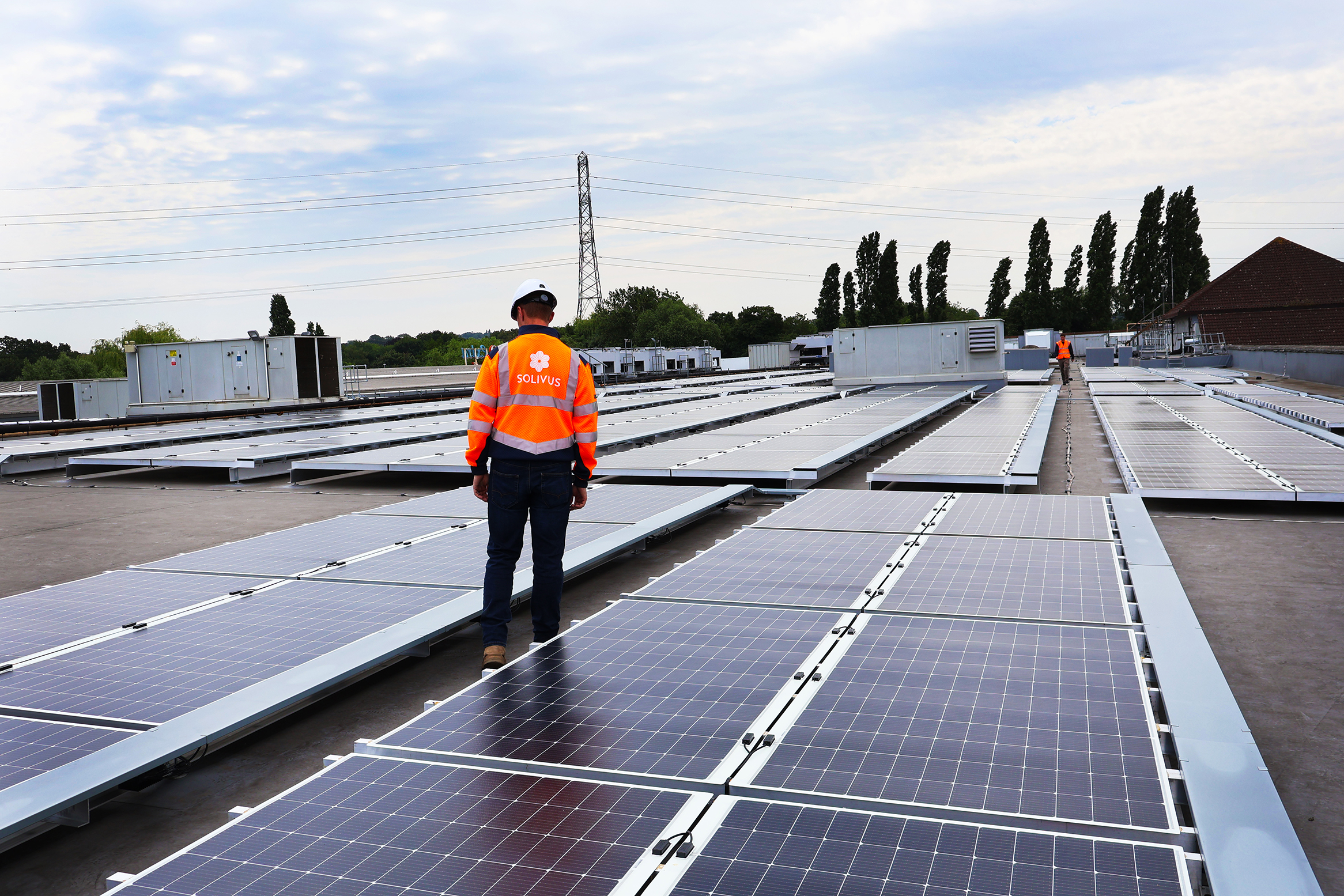
One of the significant innovations in solar technology is the development of lightweight, flexible solar panels. These panels are up to 70% lighter than conventional solar panels and are designed to be installed on roofs previously deemed unsuitable for solar installations. This innovation opens up new possibilities for commercial premises like airports, stadiums, warehouses, data centers and supermarkets.
These lightweight panels feature low glint and glare surfaces, making them suitable for sensitive environments such as aviation. They also use non-penetrative fixing methods, ensuring that the structural integrity of the roof is maintained. By making solar energy accessible to buildings with architectural and structural constraints, businesses can optimise their rooftop space and generate on-site energy, even in challenging conditions.
Harnessing AI for Enhanced Energy Management
The integration of AI-driven energy management systems with solar installations marks a significant advancement in optimizing energy use. These systems use real-time machine learning and diagnostics to maximize the efficiency of battery energy storage systems (BESS). They enable peak shaving, load shifting, and enhanced asset performance, ensuring that the energy generated is used most effectively.
By leveraging AI, businesses can achieve greater autonomy and efficiency in their energy management. These systems provide real-time insights and diagnostics, allowing for proactive management and optimisation of energy use. The result is increased energy resilience, cost savings, and a more sustainable operation. Though we are still in the early days, the synergy between AI and solar will make solar energy more efficient, more reliable, and more cost-effective - helping to propel us one step further in the global energy transition.
Real-World Success Stories: Proven Benefits and Savings
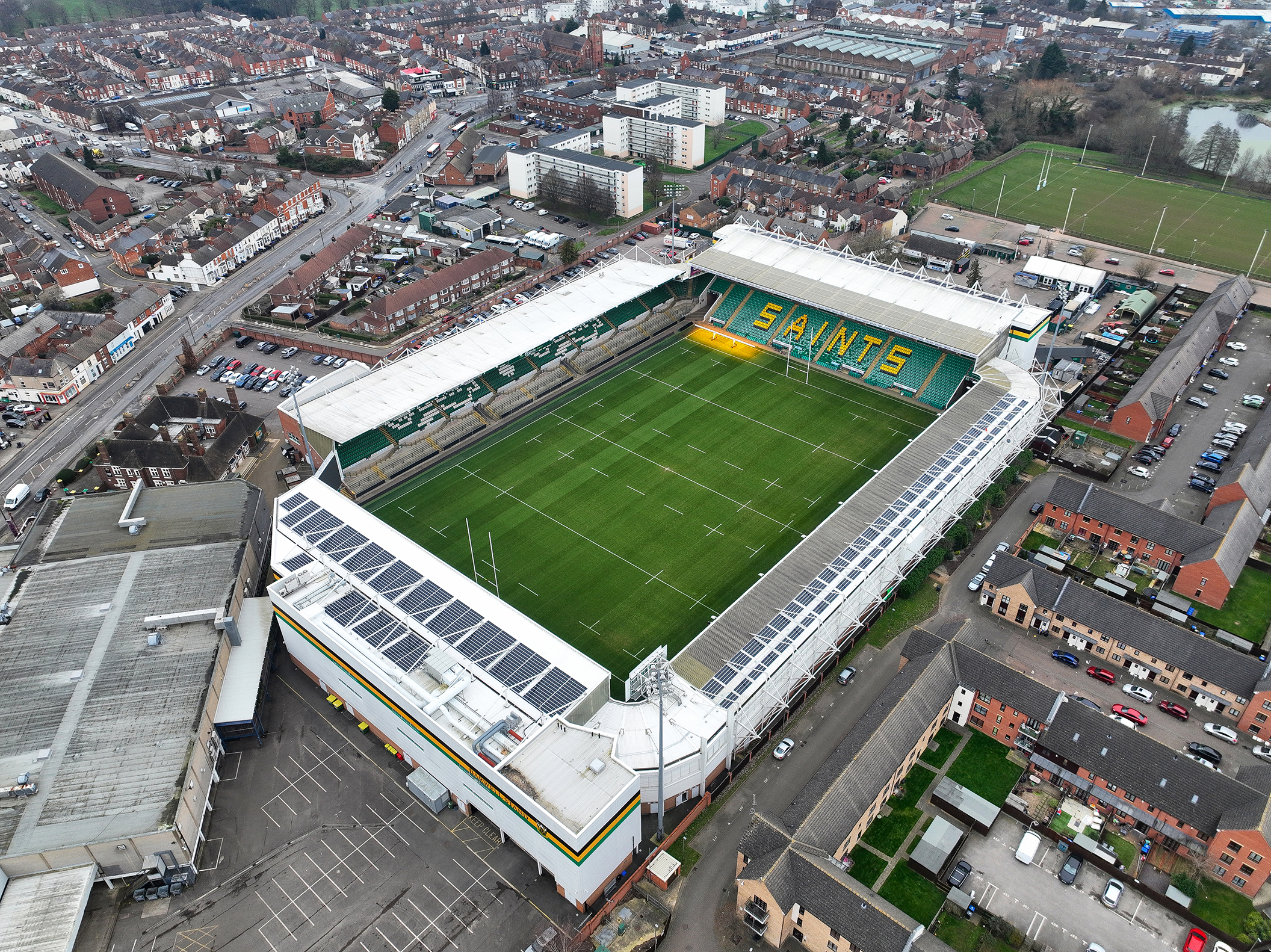
Several high-profile projects have demonstrated the tangible benefits of lightweight solar installations. For instance, Solivus has successfully delivered major solar installations at sites like Farnborough Airport. These projects showcase the significant carbon and cost savings achievable through solar energy. For example, 25% of Farnborough Airport’s annual building demand is generated by their lightweight solar installation, and the project has an expected ROI of 573%. Businesses like Tesco, Balfour Beatty and Northampton Saints have also adopted lightweight solar solutions, leading the way for their industries in sustainable innovation.These case studies highlight the competitive advantages of solar installations, such as reduced diesel reliance (75% reduction of diesel on-site annually at Balfour Beatty’s Bottesford site), minimised disruption during installation, and substantial energy cost savings.
In conclusion, the comprehensive benefits of lightweight solar energy systems for commercial and industrial operators are clear. From reducing carbon emissions and cutting costs to providing innovative solutions for challenging roofs and harnessing AI for enhanced energy management, lightweight solar installations offer a sustainable and economical solution. By starting your solar journey today, you can position your business as a leader in sustainability and enjoy the financial benefits of renewable energy.
Related Articles
.jpg)


ACCREDITATIONS